Blog

Closing the Week Clean: What Belongs in a Weekly Hall Report
A weekly closing report is the hall's official version of the week. Here's what belongs in it, who signs off, and why closing cleanly saves work months later.

Grace Periods Without Guesswork: Tracking Them Fairly at the Hall
Grace periods protect members who hit a rough patch — but only if the local tracks them the same way every time. Here's what to record and when.

Pulling the Records: How a Local Prepares for a Multi-Year Payroll Reconciliation
Before a reconciliation can find anything, the local has to assemble years of dispatch, check-in and remittance records. Here's what to gather, how to judge it, and where the gaps usually sit.
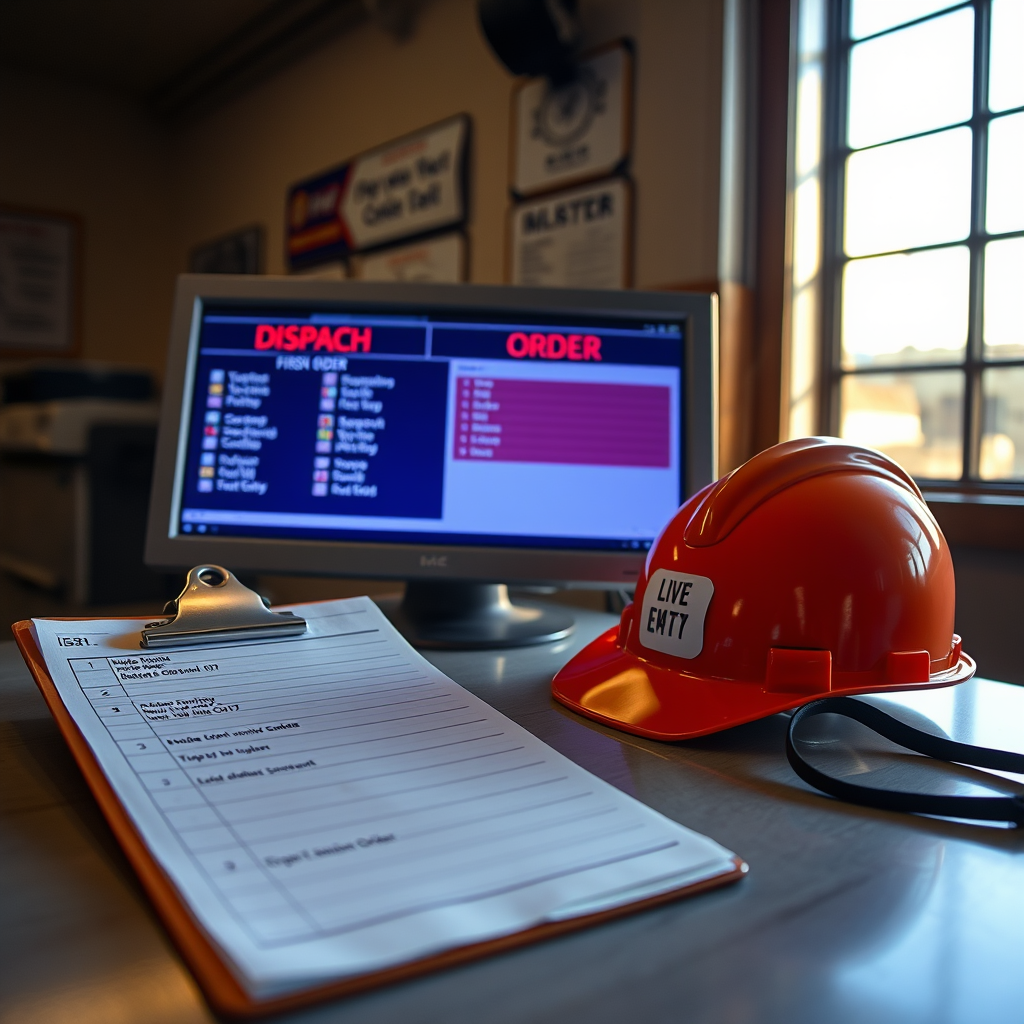
A Stale List Dispatches the Wrong Member: Keeping Call-Back Lists Current
A dispatch list is only as fair as it is current. Here's what makes a list go stale, which changes have to land the same day, and how locals keep order defensible.
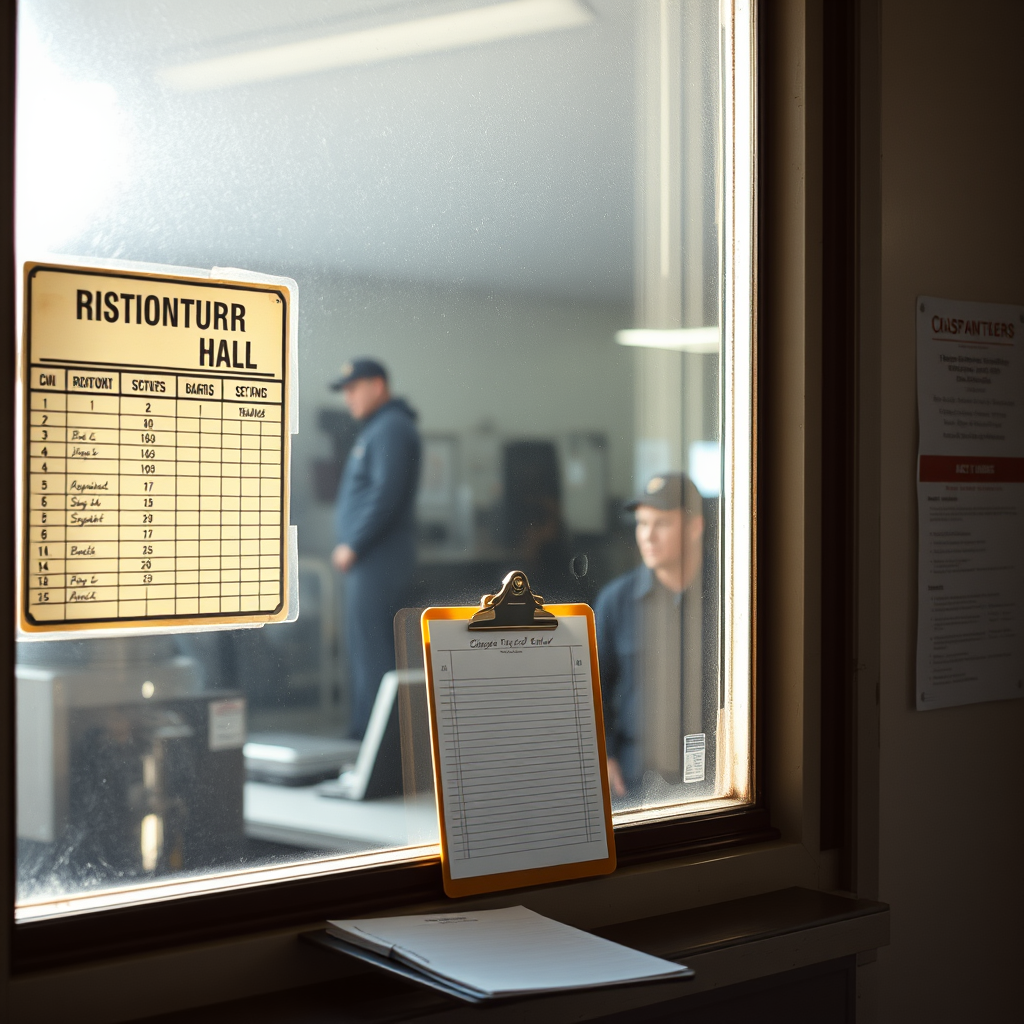
Back on the List: How Fair Rotation Works After a Dispatch
Seniority sets the order, but rotation decides when a member returns to the list after a job. Here's how locals define the rules and apply them the same way every time.
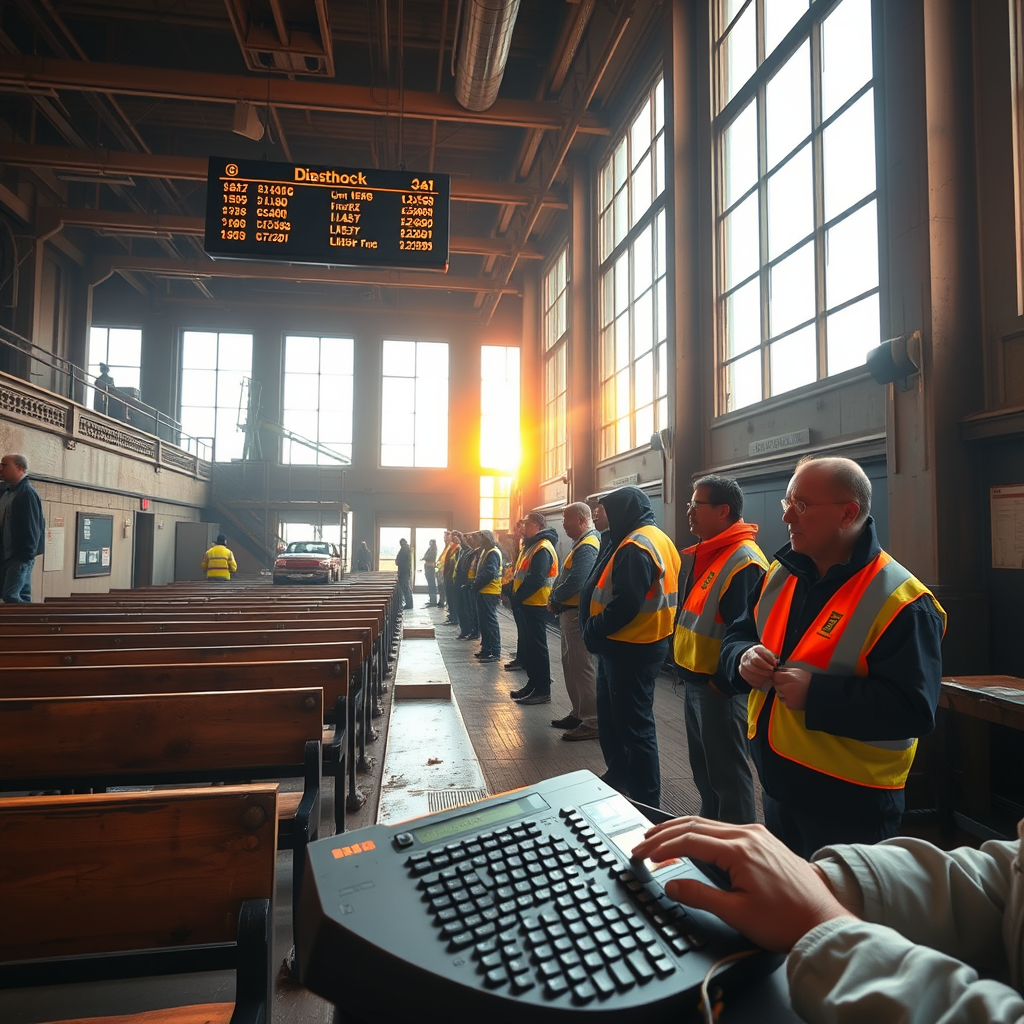
From Shape-Up to Lights Out: What a Smooth Day at the Hall Looks Like
A good day at the hall isn't luck. It's a sequence of small, repeatable steps from the first check-in to the final close — and here's what each one should look like.
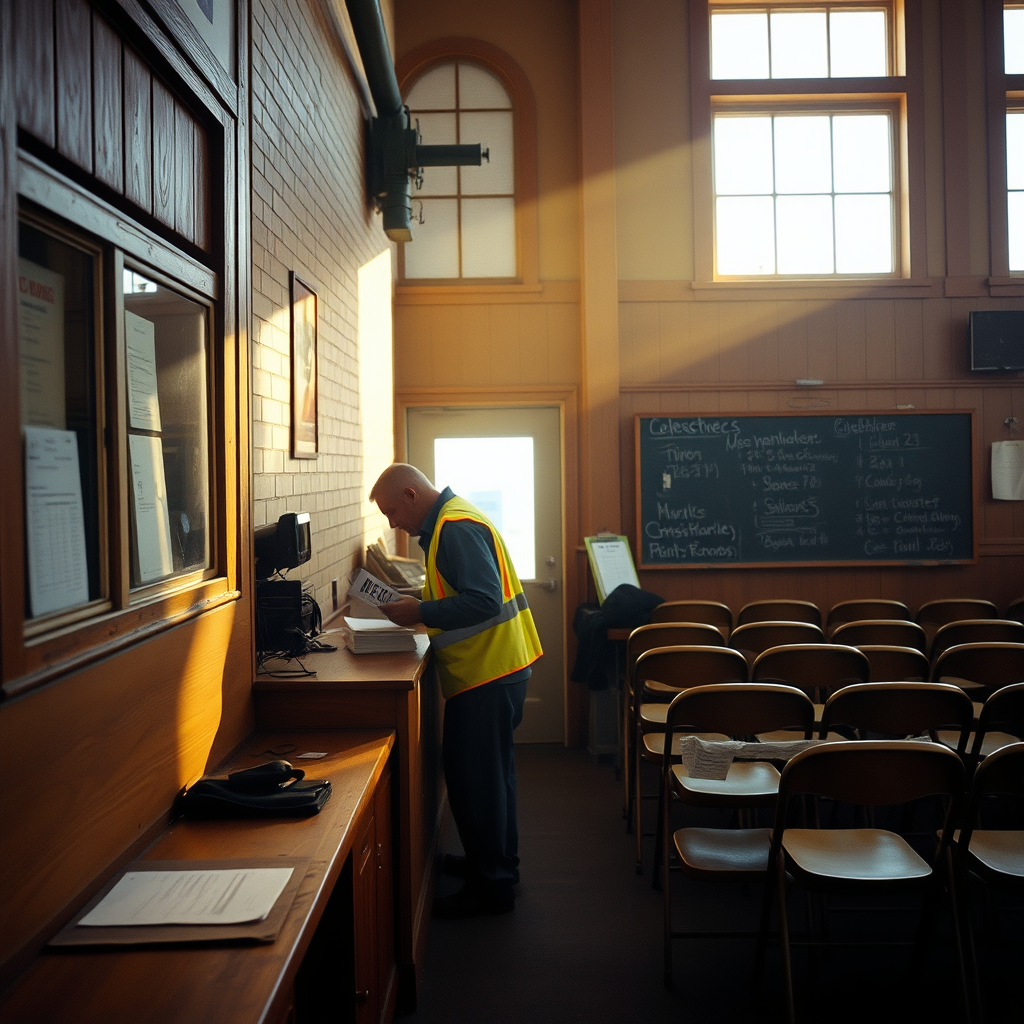
The Contract Year Began October 1: Check Your Hours and Seniority Now
A new ILA contract year started October 1. Here's why the first weeks are the best time for members to review hours and seniority records, and how the hall can help.
Short, Missed, or Misapplied: Catching Dues Problems Before They Snowball
Most dues problems start small — a short remittance, a skipped cycle, a payment posted to the wrong member. Here's how locals catch them early instead of a year late.
Filling a Gang: Working Down the List When Certifications Narrow the Field
An order rarely asks for bodies alone. Here's how halls fill gangs by seniority and certification without losing fair rotation or the ability to explain a dispatch later.

Worked vs. Reported: The Discrepancies a Payroll Reconciliation Finds
A payroll reconciliation compares the hall's record of work performed against what was reported to the local. Here's how the matching works and the mismatch patterns it tends to surface.

One Screen, Four Answers: What a Real-Time Hall Dashboard Should Show
A hall dashboard earns its place when it answers the four questions officers get asked all day — dispatch, check-in, dues and reconciliation status — without anyone digging through files.

Check-In Is the Record: Why a Few Seconds at the Window Matters All Year
Check-in looks like the smallest step in a day at the hall, but it's the entry that everything else leans on. Here's how to make it fast, accurate and defensible.

Who Signs Off on a Change? Approvals That Keep Member Records Trustworthy
Member records change constantly — addresses, certifications, status, seniority dates. A simple review-and-approve step keeps those changes accurate, traceable, and defensible months later.

Closing the Week Clean: What Goes Into a Weekly Report and Why It Matters
A weekly closing report is the local's official version of what happened. Here's what belongs in it, who checks it, and why closing cleanly saves work later.
Grace Periods That Hold Up: Tracking the Clock Fairly for Every Member
Grace periods only work when everyone agrees on when the clock started and when it ends. Here's how locals track them consistently so standing decisions are defensible.

Going Back Years: Getting a Local's Records Ready for a Historical Reconciliation
Reconciling past years starts with the records themselves. Here's how a local gathers, organizes and checks historical dispatch and payroll data so a back-year review holds up.
Keeping the List Current: Certifications, Status Changes and the Work Between Shape-Ups
A dispatch list goes stale quietly — an expired certification, an unrecorded status change. Here's the routine maintenance that keeps the list accurate before anyone calls a gang.

When the List Runs Short: Passes, No-Shows and Skips Without Breaking Rotation
Rotation rules are easy on a full list and hard on a short one. Here's how halls handle passes, no-shows and skips at dispatch so the order still holds up later.

A Smooth Day at the Hall: From Shape-Up to Closing
A walk through the rhythm of a well-run hall day — shape-up, check-in, dispatch, midday changes and the close — and the small habits that keep the record clean.
The Contract Year Turned Over October 1 — Check Your Hours and Seniority Now
A new ILA contract year began October 1, which makes this the natural moment for members to review their hours and seniority records and for the hall to help them do it.
Dues Check-Off: Catching Short or Missed Payments Before They Snowball
Dues problems rarely start big. They start as one short remittance or one missed week that nobody catches until months later. Here's how a local keeps dues records clean.
Building a Call-Back List That Holds Up: Seniority, Rotation and Certifications
A call-back list is only as good as the records behind it. Here's how locals keep seniority order, rotation and certifications straight so dispatch decisions hold up under questions.

Payroll Reconciliation: Matching What Was Worked Against What Was Reported
A plainspoken walkthrough of how a local compares dispatch and work records against employer reports, what discrepancies usually turn up, and how to run the review year by year.

The Hall Dashboard: Seeing Dispatch, Check-In and Dues at a Glance
A real-time dashboard pulls dispatch, check-in, dues and reconciliation status onto one screen so hall staff can spot problems during the day instead of after it.

Check-In at the Hall: The Small Step That Protects a Member's Standing
Check-in looks like a formality, but it's the record that backs up a member's availability, rotation position and standing. Here's how to run it so it holds up.

Who Signs Off on a Member Record Change, and Why It Matters
Member records only stay trustworthy when every change is reviewed by someone with the authority to approve it. Here is how a clean approval process works in a hall.

Closing the Week Clean: What Belongs in a Weekly Closing Report
A weekly closing report turns five busy days at the hall into one reviewable record. Here's what belongs in it, who signs off, and why closing clean saves work later.

Grace Periods: How They Work and How to Track Them Fairly
Grace periods give members breathing room without costing them standing — but only if the hall tracks them consistently. Here's how to define, apply, and document them cleanly.

Members Trust What They Can See
Members in 2026 expect to check their place, their hours and their local's news from their phone. Here's how visibility builds trust, and how a modern local makes members' lives easier every day.

When an Officer Leaves, the Records Shouldn't Leave With Them
Elections, retirements and turnover are part of union life. Institutional memory doesn't have to walk out the door. Here's how a local keeps its history when its people change.

Your Hall Runs on Rules. Your Software Should Too.
Most software asks a local to change how it works. DockOps is configured around the rules your hall already runs on, and it can replace spreadsheets and legacy tools without disrupting the work.

Policy, Not Personal: Making Grace Periods Fair Every Time
Nobody enjoys deciding which member gets a break on dues. DockOps turns grace periods into consistent policy members can request themselves, with exceptions routed to an officer and every decision on record.
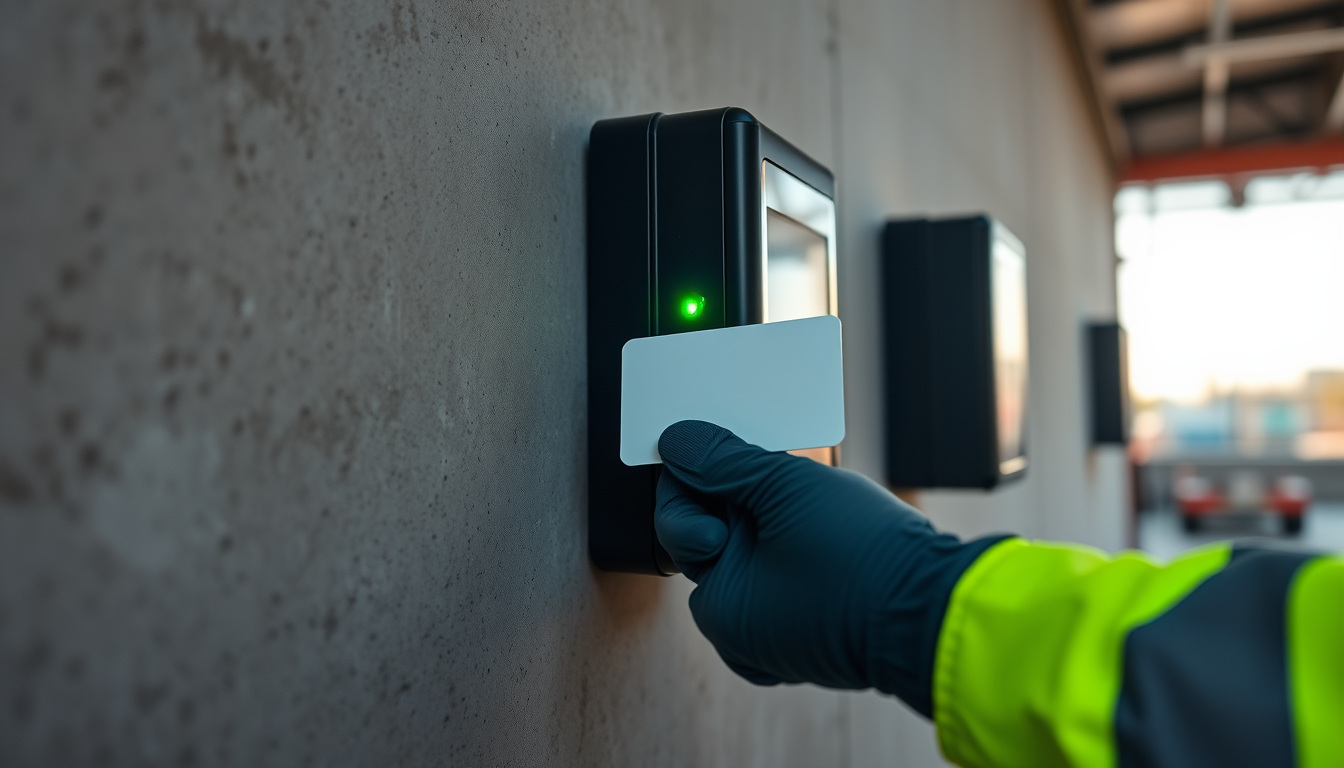
The Line Out the Door Is Optional
Members shouldn't spend their mornings waiting in line to prove they showed up. Member cards, tap-to-check-in stations, mobile check-in and hall display boards turn the morning rush into a few seconds.

The Board Asked. The Answer Was Already on Screen.
How long does it take your local to answer a simple question from the board? With the DockOps real-time dashboard and hall display boards, the answer is usually: no time at all.

Nothing Changes Until the Local Says So
Who changed that member's status? Who approved it? With the DockOps member-change approval queue, your local always knows, and nothing touches the live record until the local approves it.

Friday Shouldn't Feel Like a Fire Drill
For many secretary-treasurers, closing the week means a stack of spreadsheets and a lot of hoping. DockOps weekly closing reports put expected and actual side by side, with every exception tied to its source.

Find Out Today, Not on Payday
A member discovers his hours were wrong weeks after the job, when nobody remembers anything. Same-day hours visibility changes that, and it changes who's in control of the record.

"I Should Have Gone Out." Now There's an Answer.
Every hall has heard it. In DockOps, every pick, override and replacement is on record, and members can watch gangs fill by the local's own rules.
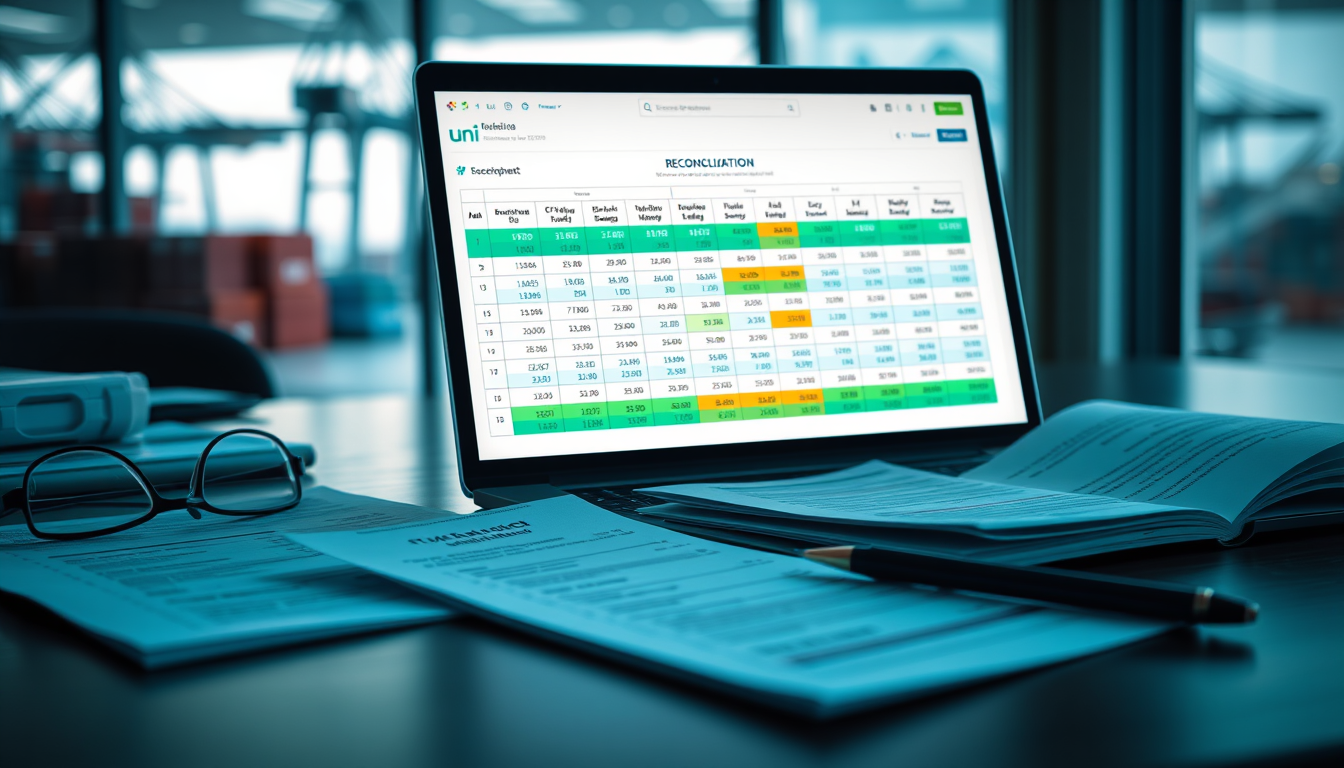
Stop Taking the Register on Faith
Every pay period, a check-off register lands at the hall with thousands of lines. Here's how a local can turn that file into local-verified records, so members get credit for every dollar they earned.

Whose Numbers Are These, Anyway?
For decades, the most important records about a local's work started somewhere else. Here's what changes when the record starts with the local, and why it protects everyone.