Building a Call-Back List That Holds Up: Seniority, Rotation and Certifications
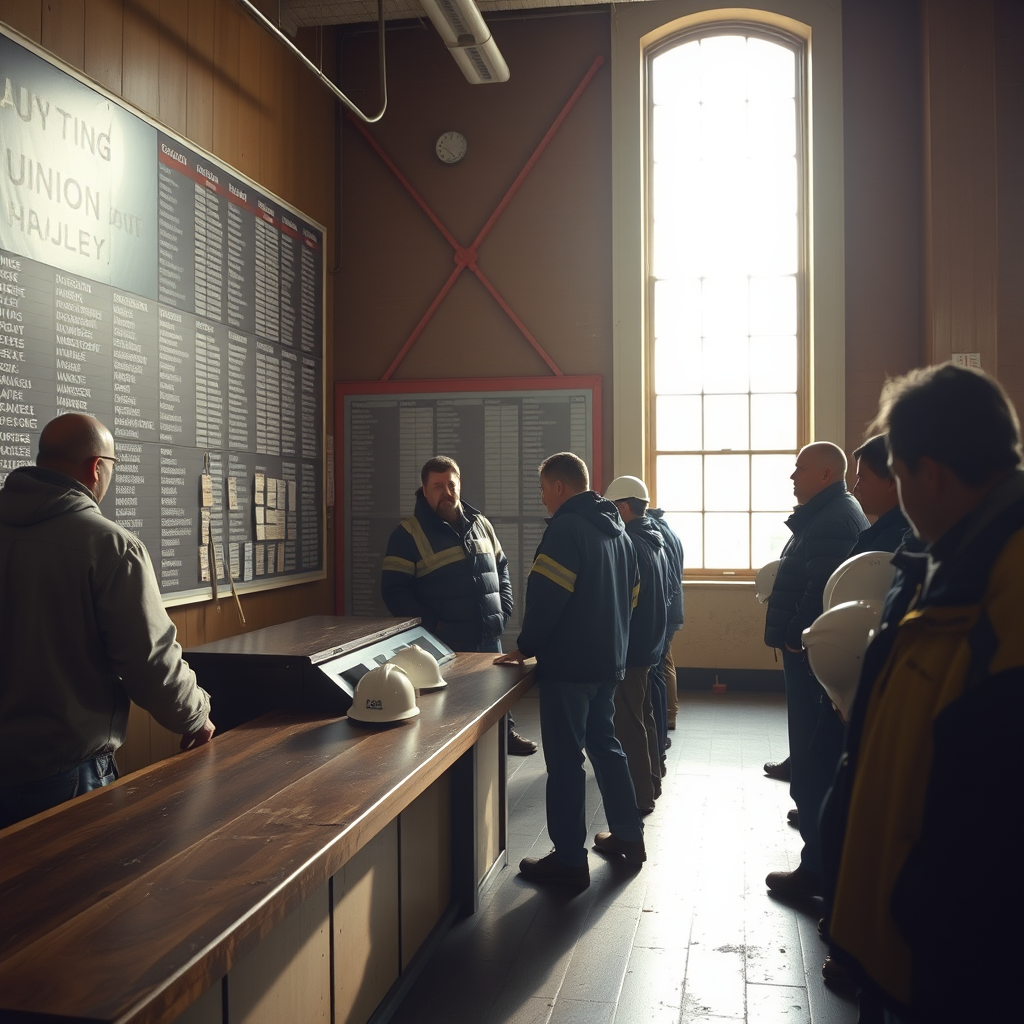
Every dispatch decision made at the hall rests on a list. Who is next, in what order, and who is qualified for the job being filled. When the list is current and the order is clear, dispatch moves fast and nobody has to argue about it. When the list has gaps — a member whose certification lapsed last month, a rotation that got reset by hand and never documented — the questions start, and they usually come after the gang has already gone to work.
Keeping a call-back list in shape is ordinary, unglamorous work. It is also the part of hall operations that members notice most, because it is the part that decides whether they work today.
What a Call-Back List Actually Has to Do
A call-back list has to answer three questions at the same time, in the right order, under time pressure:
- Who stands where in seniority or in the rotation for this category?
- Who is checked in and available right now?
- Who holds the certifications or qualifications this job requires?
The third question is what trips up a list that otherwise looks fine. A member can be high in seniority and present at the shape-up and still not be dispatchable to a particular job because the job calls for a certification he doesn't hold or one that has expired. If the dispatcher has to remember that on the spot, or go dig through a folder, the line slows down and the chance of a mistake goes up.
Seniority Order and Fair Rotation Are Not the Same Thing
Locals handle this differently, and that is the point. Some categories dispatch strictly by seniority, top down, every call. Some use a rotation where a member who takes a job goes to the bottom and works his way back up. Many locals use both, depending on the board, the category, or the kind of work being filled.
What matters is that the rule for each list is written down, understood by the people who run it, and applied the same way every day. A rotation that resets for one reason on Tuesday and a different reason on Thursday is not a rotation anymore. The same is true of seniority: if the order on the board doesn't match the order in the membership records, one of the two is wrong, and the hall should know which.
DockOps is set up around the rules a local already uses rather than imposing one dispatch method on everyone. If a local runs three boards with three different orders, that's how the system runs them.
Keeping the List Current
A list goes stale in small ways. A member moves between categories. A new member comes in and has to be placed. Someone's status changes. A certification renews, or doesn't. None of these are dramatic on their own, and all of them change who should be next.
Things worth checking on a regular schedule:
Status changes that affect availability, so the board reflects who can actually be dispatched. Certification expiration dates, far enough ahead that a member has notice before the date passes and he loses access to jobs he normally works. Category placements for newer members, so they enter the order correctly the first time instead of being corrected later. Rotation positions after each dispatch, recorded as they happen rather than reconstructed at the end of the day.
When those updates land in the same system the dispatcher is working from, the board is right at shape-up without anyone having to rebuild it.
Why the Record Behind the List Matters
The most common dispatch dispute is not about the rule. It is about the facts. A member believes he should have been called ahead of someone else. To answer that, the hall needs to be able to show the order as it stood at the time of the call, who was checked in, what the job required, and who was dispatched.
That is a records question, not an argument. If dispatch actions are logged as they happen — the job, the order, the qualifications it required, who went out — the answer is available in a minute instead of a week. If they are not, the hall is left reconstructing a day from memory, and even an honest reconstruction is hard to stand behind.
Filling a Gang by Seniority and Certification
Filling a full gang adds a layer. The job calls for specific positions, each with its own requirements, and the gang has to come together from the available list without skipping anyone who should have been offered a spot. Done by hand, that means holding several lists in your head at once while men are waiting.
The practical fix is to let the system narrow the list to members who are both next in order and qualified for the position being filled, and to record each assignment as it is made. The dispatcher still makes the call. The list just stops being something that has to be held in memory.
A Short Checklist for the Hall
- Confirm the dispatch rule for each board is documented and matches practice.
- Reconcile the board order against membership records on a set schedule.
- Review upcoming certification expirations and notify members early.
- Log each dispatch as it happens, including the requirement it satisfied.
- Review any rotation reset or out-of-order call the same day it occurs.
A call-back list that is current, documented and consistent protects members and the people who run the hall at the same time. It is worth the maintenance.
See how DockOps would fit your local — book a demo at dockops.app/book.
— The DockOps Team