About DockOps
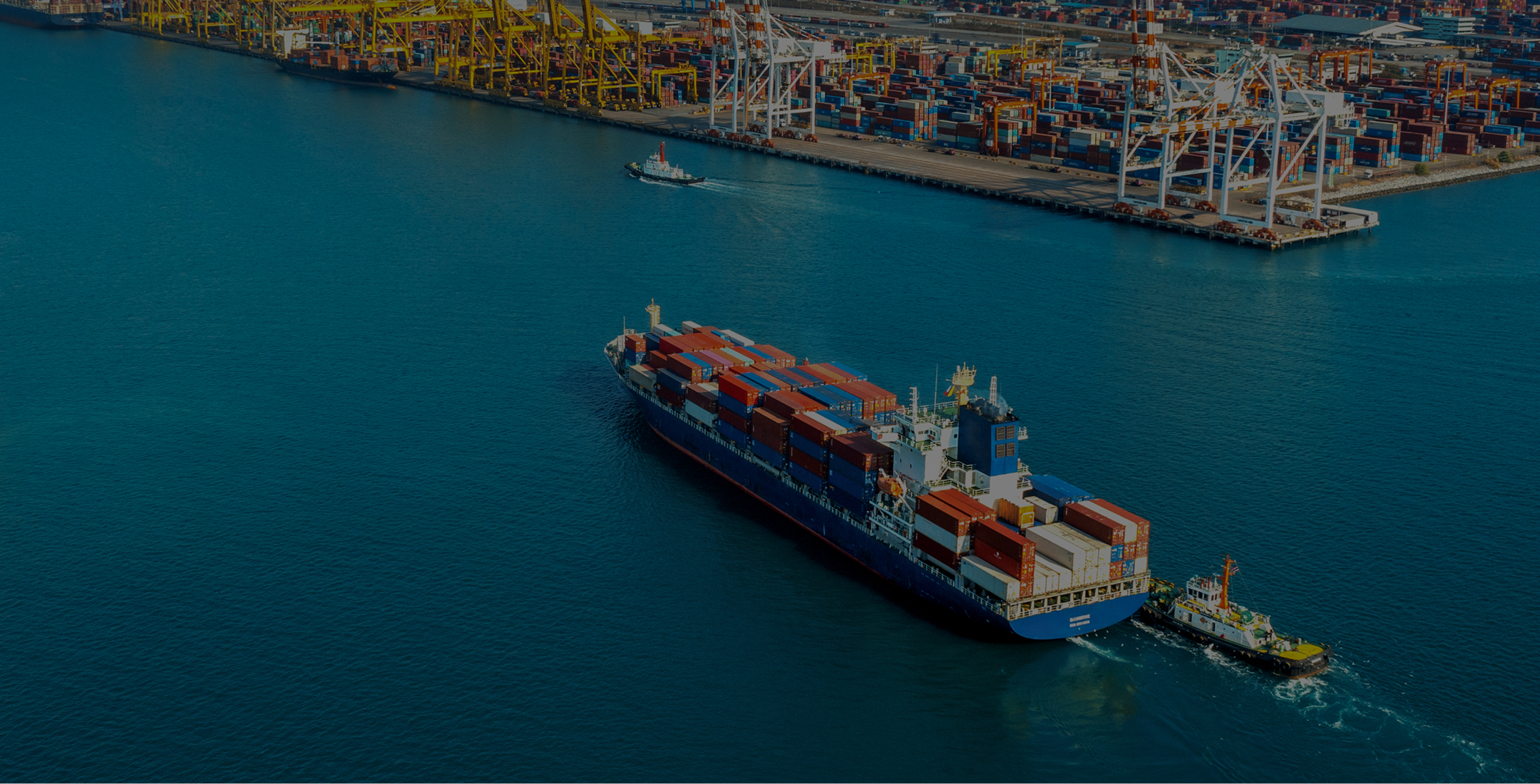
Born from decades of firsthand ILA experience on the docks of Florida, DockOps brings workforce-first technology to port operations—modernizing without breaking the union workflows that members depend on.
Built from the Inside Out
DockOps didn't start in a tech lab. It started on the docks — inside the daily operations of the union, where dispatch, payroll, grievances, and member records were managed through a patchwork of paper logs, spreadsheets, phone calls, and institutional memory.
For years, the men and women of the union made it work. Shape-ups were called by voice, timesheets were filled out by hand, and payroll discrepancies were caught only when a member noticed the numbers didn't add up. Certifications lived in filing cabinets. Seniority was tracked in binders. Dispatch decisions depended on who was in the room and what they remembered.
The system worked — but it wasn't built to scale, to audit, or to give individual members real-time visibility into their own work records. As port operations evolved and administrative burdens grew, it became clear that the union needed a digital partner that understood its culture, not just its data.
That's where DockOps was born: at the intersection of union expertise and modern technology, designed by people who've lived the workflows it aims to improve.
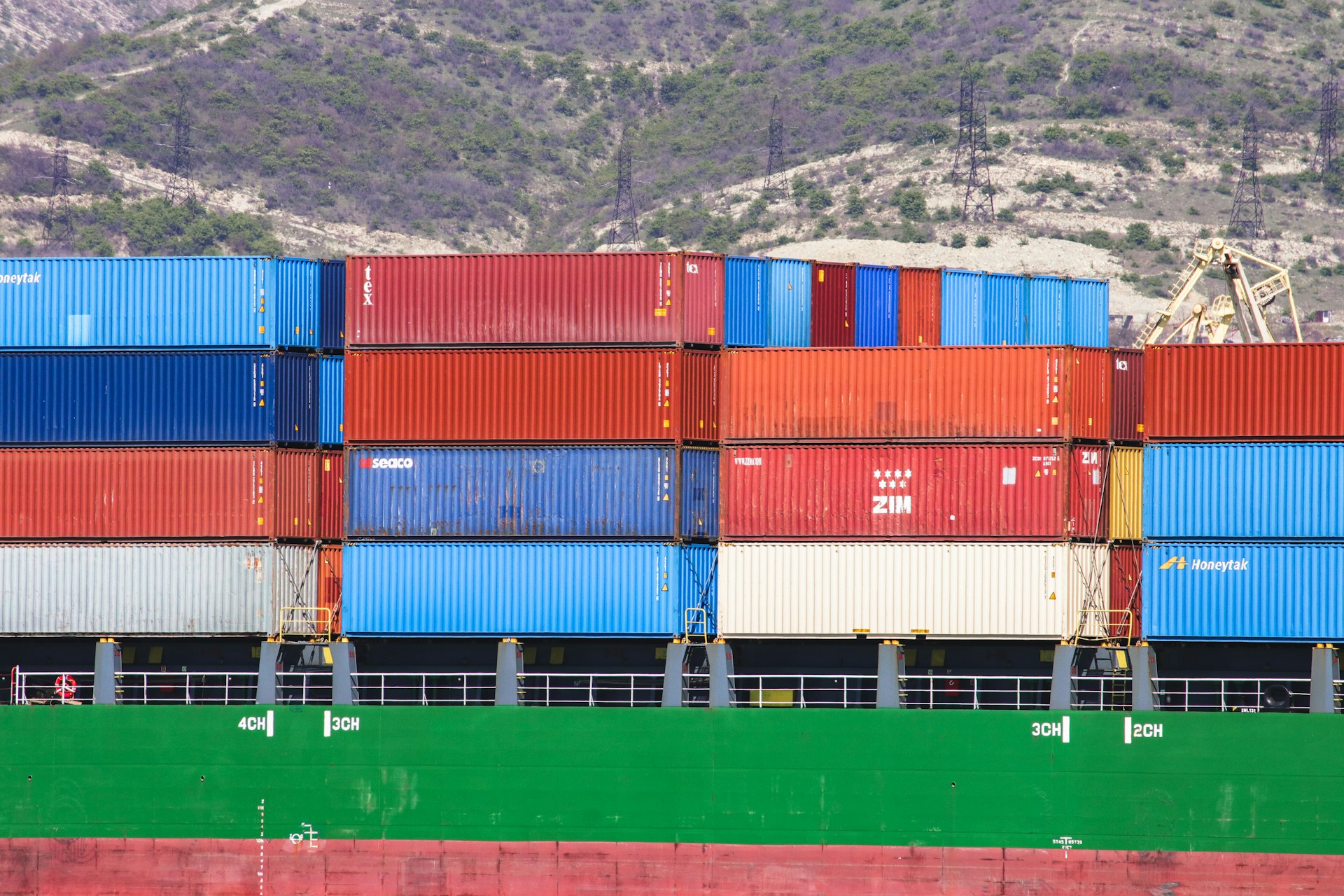
The work does not wait for the paperwork to catch up.
Who Builds DockOps
DockOps is built by veteran software engineers working shoulder to shoulder with ILA leaders — people whose roots on the waterfront go back generations. Neither half works without the other.
The waterfront side
ILA Leadership
What DockOps does is guided by ILA leaders — people who have spent decades running longshore operations, in families that have been part of the local for generations and have contributed to its leadership across that time.
That means dispatch rotations, shape-up procedure, seniority enforcement, and grievance workflow weren't learned from a requirements document. They were run, every day, along with the unwritten rules and the human dynamics of the hall that no specification ever captures.
It is why DockOps was designed to reinforce the way locals already work rather than replace it. The goal was never to automate longshoremen out of their own processes — it was to give the hall better tools for what it was already doing.
The engineering side
Veteran Software Builders
The platform is built by engineers who have spent their careers shipping software that real operations depend on — not a first attempt at a hard problem, and not a template bent into a new shape.
Dispatch, payroll reconciliation, member records, and the mobile app are designed for the conditions they actually run in: intermittent signal on the dock, role-based access that has to hold up under a grievance, and audit trails a local can rely on years later.
Every feature gets checked back against the waterfront side before it ships. If it doesn't match how the work really happens, it doesn't go out.
“We're not building technology that replaces the way longshoremen work. We're building technology that makes the way they already work visible, accountable, and easier.”
Why DockOps Exists
The ILA has been clear: technology should serve workers, not replace them. DockOps was built on that principle.
Manual Processes Don't Scale
Paper timesheets, handwritten logs, and phone-based dispatch served the union well — but as operations grew, so did the gaps. Missed entries, payroll discrepancies, and administrative bottlenecks became harder to manage.
Members Deserve Visibility
Longshoremen had no easy way to verify their own hours, check certifications, or track payroll accuracy. DockOps puts that information directly in their hands — on mobile, in real time.
Union Workflows Are Unique
Off-the-shelf HR and dispatch software wasn't built for seniority-based shape-ups, gang assignment logic, or ILA-specific dues and strike fund tracking. DockOps was purpose-built for how unions actually operate.
Leadership Needs Audit-Ready Data
Union administrators need defensible records for grievances, dues reporting, and compliance. DockOps replaces institutional memory with structured, timestamped, role-based workflows.
Technology With, Not Against
The ILA has fought hard to protect members from job-killing automation. DockOps is the opposite — it's a tool that makes human workers more effective, not expendable.
Built to Expand
Starting on the docks of Florida means DockOps was tested in real conditions. Now it's being developed for ILA locals across the country — same principles, same workforce-first approach.
How It Gets Built
ILA leadership sets the direction. A team of more than twenty seasoned professionals builds against it.
A Standing Team
Full-stack developers, QA testers, UI/UX designers, and administrative specialists working across several continents — a standing team rather than contractors rotating through.
Around the Clock
The distributed structure means work continues across time zones, so fixes and releases do not wait on a single working day.
Checked Against Reality
Every workflow is reviewed by ILA leadership before it ships. Domain review is part of the build, not a sign-off at the end.
Workforce-First Technology
DockOps modernizes systems while preserving the structure longshoremen and union leadership rely on — making operations clearer, faster, and more transparent without disrupting the culture that holds the workforce together.