The Contract Year Turned Over October 1 — Check Your Hours and Seniority Now
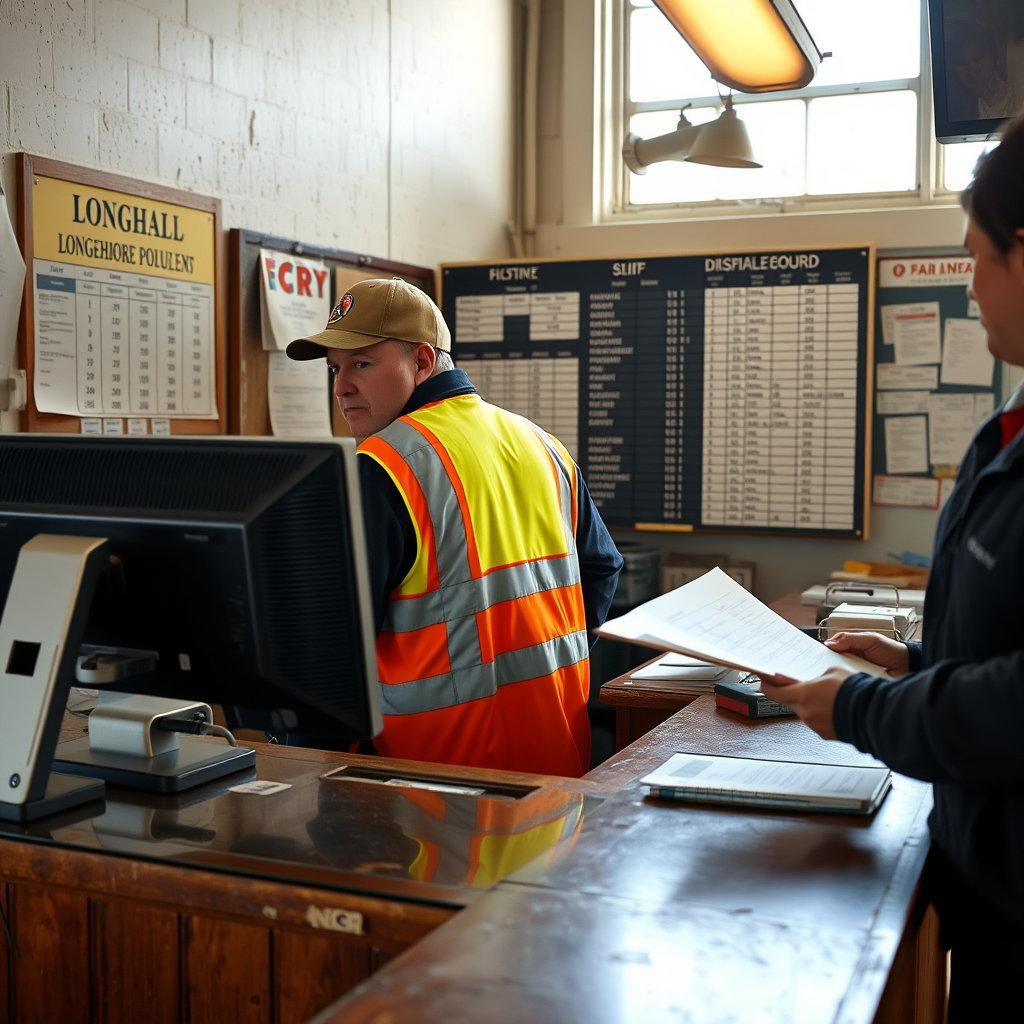
A new ILA contract year began on October 1. For most members, the day came and went like any other — a shape-up, a dispatch, a shift. But the turn of the contract year is the one predictable moment on the calendar when it makes sense to stop and look at your own record: the hours credited to you, where you sit in seniority, and whether what the hall shows matches what you actually worked.
The reason to do it now is simple. Questions raised a few weeks after the fact are easier to answer than questions raised a year later. Timecards, dispatch slips, and employer reports are still close at hand. Memories are still fresh. The further back a discrepancy sits, the more work it takes to run down — and the more likely it is that nobody runs it down at all.
Why the Turnover Matters
Seniority and hours are the backbone of how a hall dispatches. They shape call-back order, who gets looked at first when a gang needs filling, and how a member's standing is understood across the hall. Those records are built from a long chain of small events: a check-in, a dispatch, a shift worked, a report submitted by the employer, an entry posted at the office.
Every link in that chain is usually right. But "usually" is the problem. A member who missed a check-in on a day they worked, a shift reported under the wrong classification, a dispatch that was reassigned mid-day and never corrected on paper — any of these can leave a gap. One gap in one year is rarely dramatic. Gaps that stack up quietly over several years are a different matter.
What a Member Should Look At
You do not need to be an accountant to review your own record. You need to know roughly what you worked and be willing to compare it to what the hall shows.
- Total hours credited for the contract year that just closed, and whether the number looks close to what you remember working.
- Your seniority date and group, exactly as the hall has it recorded.
- Certifications and endorsements on file, including expiration dates, since these determine which jobs you can be dispatched to.
- Any periods you were out — and whether a grace period or other status was recorded correctly for that stretch.
- Dues standing, including whether check-off payments came through for every period you worked.
If something looks off, bring it to the hall with whatever you have: pay stubs, your own notes, dispatch slips you kept. You are not accusing anyone of anything. You are asking a question about a record, and records are supposed to withstand questions.
What the Hall Can Do to Make This Easy
Members will check their records if checking is easy and ignore the whole thing if it isn't. The practical job for the office is to make a member's own history retrievable in a minute, not a week.
That means a single place where a dispatcher or hall staffer can pull up a member and see hours by period, seniority standing, certification status, dues history, and any status changes — without stitching together a spreadsheet, a binder, and somebody's memory. When a member walks up to the counter in October and asks what their hours look like, the answer should be on the screen before the conversation gets long.
It also helps to make the ask explicit. A note at the hall, a line in the weekly closing report, a word at the shape-up: the contract year turned over, come see us if you want to review your hours. Most members will not think to ask on their own.
When Numbers Don't Match
Some discrepancies resolve in a minute — a classification coded wrong, a shift posted to the wrong date. Others point to something larger: hours worked that were never reported, or reported in a way that didn't flow through to the member's record or to dues.
That is where a reconciliation review comes in. Comparing what was dispatched and worked against what was actually reported, year by year and as far back as the local has usable data, is how patterns surface. A single member's question in October can be the thread that reveals a reporting gap affecting a whole category of work. This is routine administrative diligence — matching one set of records against another — and it is a normal part of keeping a hall's books straight.
Built Around How Your Local Works
No two locals count hours, group seniority, or handle dispatch the same way. A system that forces one process on everyone creates more reconciliation work than it saves. DockOps is set up around the rules, groups, and sequences your local already uses, so the record on the screen matches the record your officers and dispatchers recognize.
The contract year has turned. It is a good month to look.
— The DockOps Team
See how DockOps would fit your local — book a demo at dockops.app/book.