Back on the List: How Fair Rotation Works After a Dispatch
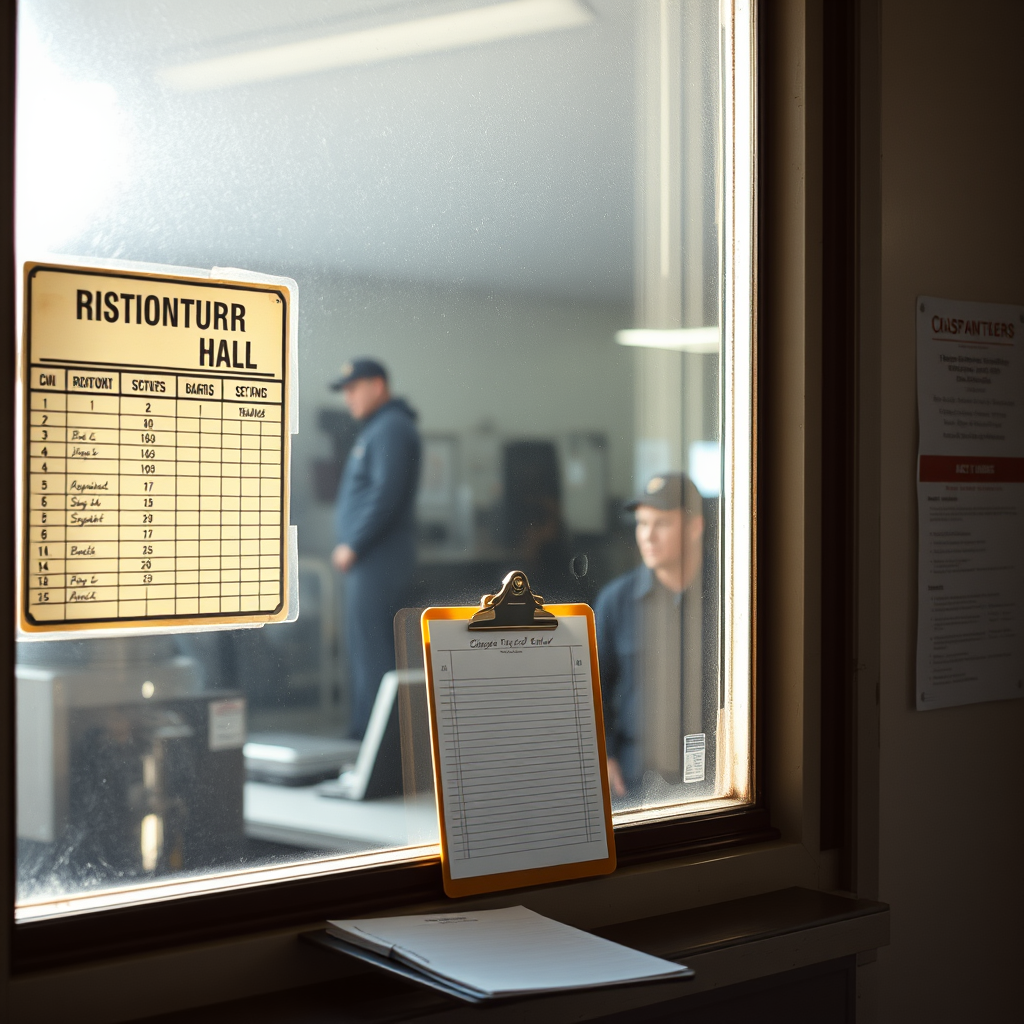
Most disputes at the dispatch window aren't about seniority. Seniority is usually written down, agreed on, and hard to argue with. The arguments start one step later: a member worked yesterday, came back today, and wants to know why someone else is ahead of them. That question is about rotation — the rules that govern when a member goes back on the list after a dispatch, and where they land when they get there.
Rotation is where a lot of halls run on habit rather than written practice. It usually works, because the people doing it have done it for years. It becomes a problem when the dispatcher is out, when two people remember the practice differently, or when a member asks for an explanation six weeks after the fact.
Seniority Sets the Order, Rotation Sets the Turn
It helps to keep the two ideas separate. Seniority is a standing — a member's place in the local's structure, usually built from years, class or group, and whatever the local's own rules establish. It changes rarely.
Rotation is movement. It answers questions like: after a member is dispatched, do they go to the bottom of their group? Do they return to the list immediately after the job ends, or at the next shape-up? Does a four-hour job count the same as a full shift? Does a turn-down cost a member their turn, or only their place in that day's call?
Two locals with identical seniority structures can run completely different rotations, and both can be fair. What makes rotation fair isn't the specific rule — it's that the rule is known, consistent, and applied the same way to everyone.
The Events That Move a Member's Place
In practice, a handful of events are what actually shift a member's position. Each one needs a definition the hall agrees on:
- A completed dispatch — the member worked. Where do they go back in the order, and when does that take effect?
- A turn-down — the member was reached and declined. Does the turn stand as used, or does the member keep their place for the next call?
- A no-show — the member was dispatched but didn't report. This is usually treated differently from a turn-down, and the difference should be written down.
- An unavailable or excused status — the member isn't in the pool today. Being out shouldn't quietly cost someone their standing when they return.
- A short job or early release — the member worked, but not a full shift. Whether that counts as a full turn is one of the most common points of confusion in any hall.
If a hall can state its answer to each of those five in a sentence, rotation stops being a judgment call and becomes a procedure.
Why Short Jobs Cause the Most Trouble
The short-job question comes up constantly and gets answered inconsistently more than any other. A member goes out, the job is cut after a few hours, and now there's a reasonable argument in both directions. They worked, so the turn was used. They barely worked, so the turn shouldn't count the same as a full shift.
There isn't a universal right answer. There is a right process: pick the rule, write it down, and make sure the hall applies it to every member the same way, including when the member asking is standing at the window with a fair point. Locals that handle short jobs by case-by-case discretion end up defending each decision individually. Locals that handle them by rule only defend the rule once.
What the Record Should Be Able to Show
The practical test of a rotation system is whether the hall can reconstruct a day weeks later. When a member asks why they were passed over on a Tuesday in the fall, the hall should be able to pull up that call and show the order as it stood, who was reached, who was unavailable, who declined, who was dispatched, and what moved as a result.
That's hard with a paper list and a dispatcher's memory. The list gets overwritten as the day goes on, so by the end of the week the only surviving artifact is the final state — not the sequence that produced it. A system that timestamps each call and keeps the list's history makes the answer a lookup instead of a reconstruction.
Build the Rule Around the Local, Not the Other Way Around
Rotation rules come from a local's own agreements, bylaws and long-standing practice. They aren't interchangeable, and software that assumes one rotation model forces halls to work around it — which usually means keeping a second, unofficial list on paper.
DockOps is set up around how each local already runs its rotation: the groups, the order of return, the treatment of turn-downs, no-shows and short jobs, and the certifications that narrow a call. The goal isn't to change the rules. It's to apply them consistently, record every step, and give the hall a clear answer when someone asks months later.
Fair rotation isn't complicated. It's just unforgiving about consistency — and consistency is much easier when the list keeps its own history.
— The DockOps Team
See how DockOps would fit your local — book a demo at dockops.app/book.