The Contract Year Began October 1: Check Your Hours and Seniority Now
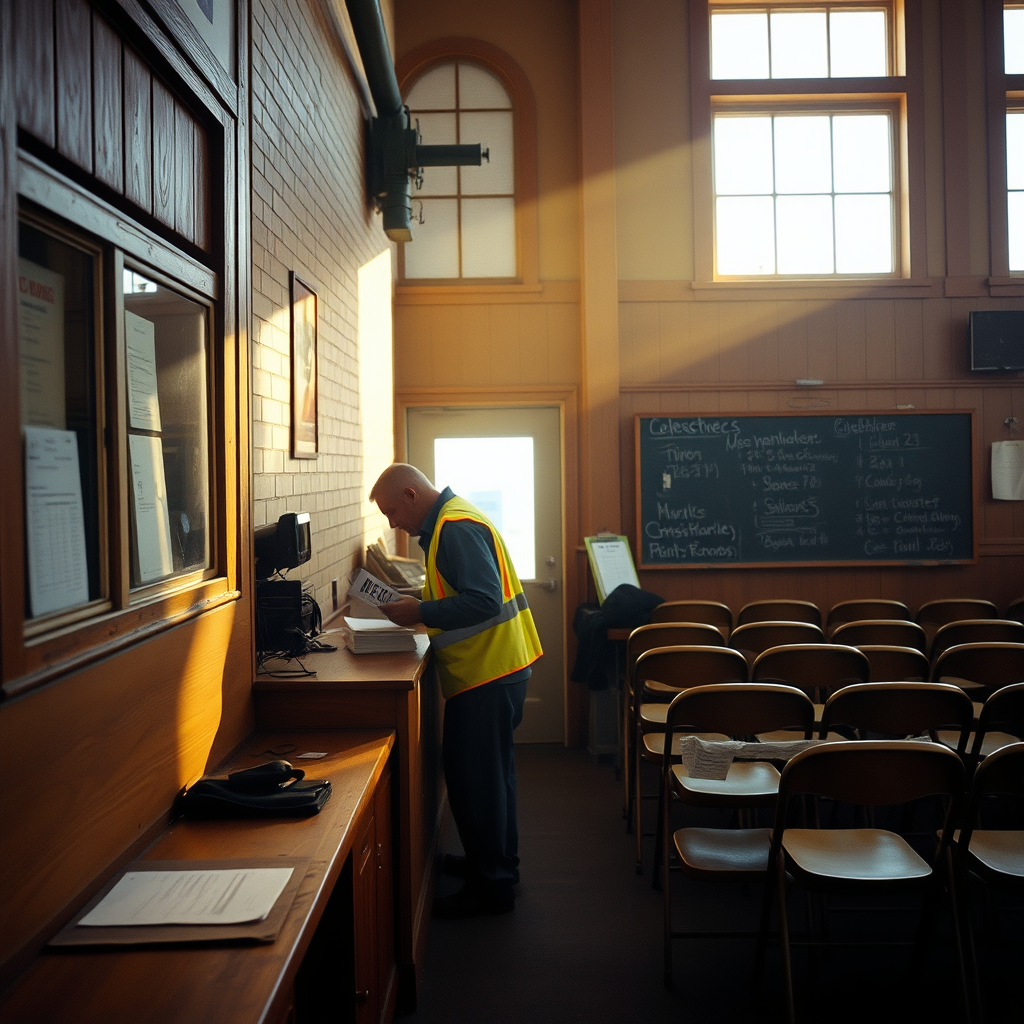
A new ILA contract year began October 1. For most members, the day came and went like any other — a shape-up, a dispatch, a shift. But the turn of the contract year is the one predictable moment on the calendar when the prior year's record closes and a new one starts accumulating. That makes the next few weeks the easiest time all year to look back at what was recorded, confirm it matches what was worked, and fix anything that doesn't.
Waiting is what makes this hard. A question about a shift from last October is answerable. The same question asked three years from now depends on whether anyone still has the paperwork.
Why the Window Matters
Hours and seniority records are built one dispatch at a time. Each one is small. A missing day here, a shift credited to the wrong week there — none of it feels urgent on its own. The problem is that these records don't stay isolated. Hours roll into seniority standing. Seniority standing determines where a member sits on the list. Where a member sits on the list shapes what work they're called for next year.
So a small gap doesn't stay small. It compounds quietly until the day it matters, which is usually the day a member is passed over and can't say exactly why.
The close of a contract year gives everyone a natural stopping point. The year's totals are in. Memory is still fresh enough that a member can look at a list of dispatches and say "I wasn't there that day" or "I worked that one and it's not here." That kind of firsthand correction is worth more than any reconstruction done later.
What Members Should Look At
The review doesn't take long if the records are in order. The point is to compare what the member remembers and can document against what the local has on file.
- Total hours for the contract year — does the figure look roughly like the year you worked?
- Dispatch history — are there shifts listed you didn't work, or shifts you worked that aren't listed?
- Seniority date and standing — is your date correct, and are you in the group you expect to be in?
- Certifications and endorsements — are they all current and on file, with expiration dates that are accurate?
- Dues status — are payments recorded through the period you expect, with no gaps or short entries?
- Personal information — address, phone, emergency contact, anything the hall uses to reach you.
If something looks off, bring whatever you have: pay stubs, your own notes, a calendar. Documentation moves a correction along faster than a recollection does.
How the Hall Can Help
Most members don't come in asking for a records review. They come in for a dispatch. That means the hall has to make the review easy to start and quick to finish, or it won't happen.
Some practical approaches:
Have the information ready at the window. If a dispatcher can pull a member's year-to-date hours, seniority standing and dues status in a few seconds, the review happens in the gap between the shape-up and the first call. If it requires digging through a file cabinet, it gets deferred.
Build it into a conversation that's already happening. Members come through the hall constantly in the fall. A dispatcher who can say "while you're here, your certification expires in February" has done more good than a mailed notice.
Set a clear path for corrections. A member who spots a problem needs to know who reviews it, what documentation helps, and when they'll hear back. An unclear process produces the same result as no process — the member gives up and the record stays wrong.
What the Local Gets Out of It
Member-driven review is one of the best quality checks a local has on its own data. Members know their own work history better than any system does. When dozens of members look at their own records in the same few weeks, patterns surface that nobody would catch one file at a time: a period where dispatches weren't logged consistently, a group of certifications that all lapsed around the same time, a stretch where reported work and recorded work drifted apart.
Those patterns are exactly what a payroll reconciliation looks for, and the contract-year review feeds it. The cleaner and better-documented the current year is, the more reliable any look backward becomes.
Keep the Habit
The goal isn't a once-a-year scramble. It's a hall where the record is accurate because it's checked continuously — at check-in, at dispatch, at weekly closing — and the contract-year review is a confirmation rather than a discovery.
DockOps is set up around how your local already works. The categories you track, the way seniority is calculated in your hall, your approval chain for corrections, your dues cycle — the system is configured to match, not the other way around. A members' records review should look like your hall's process, not a vendor's.
The year just turned. The record is as fresh as it will ever be. This is the moment to check it.
— The DockOps Team
See how DockOps would fit your local — book a demo at dockops.app/book.