Keeping the List Current: Certifications, Status Changes and the Work Between Shape-Ups
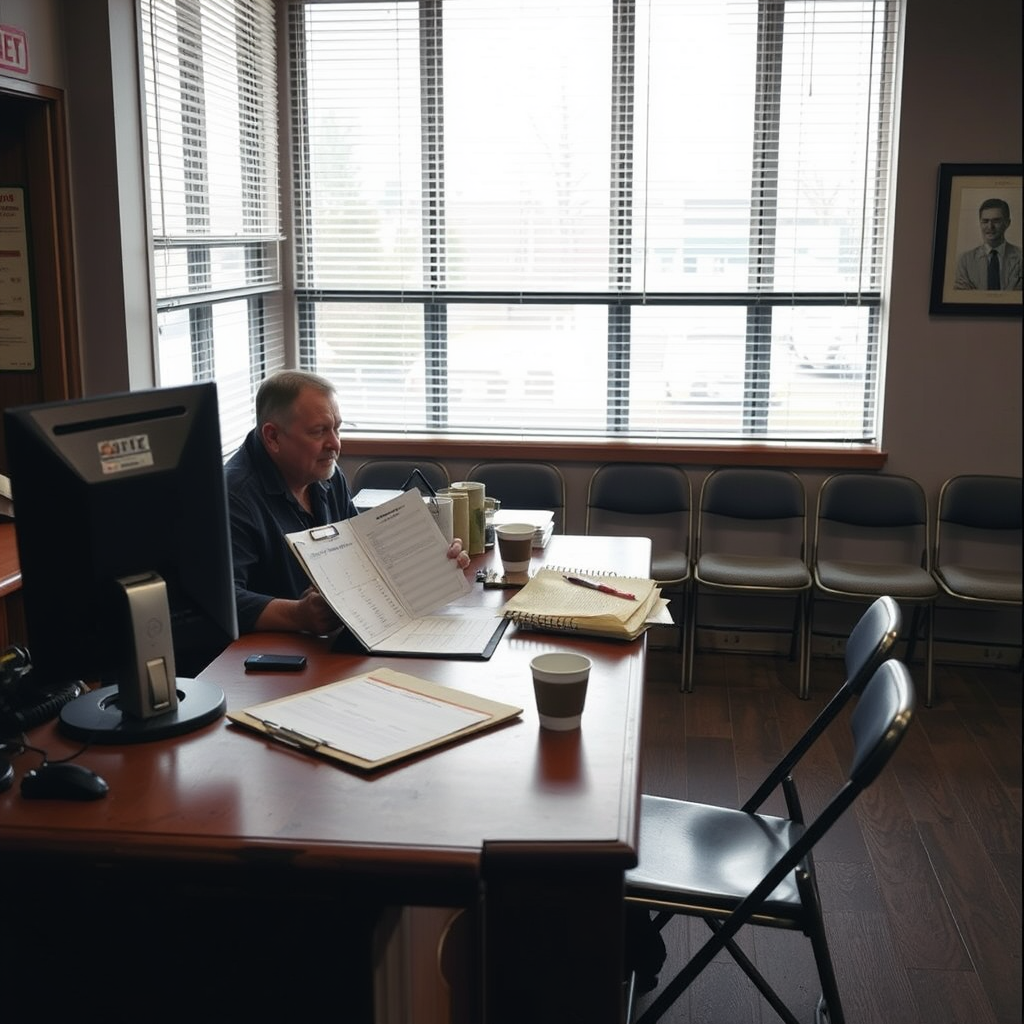
A dispatch list doesn't usually break during the shape-up. It breaks weeks earlier, when a certification quietly expires, a member's status changes and nobody records it, or a new member gets added without a seniority date everyone agrees on. By the time it shows up, the dispatcher is standing in front of a hall full of people trying to fix a records problem in real time.
The work that prevents that happens between shape-ups. It isn't glamorous and nobody sees it, but it's the difference between a list the hall trusts and a list that gets argued over.
What Actually Goes Stale
The list itself — the order, the rotation — usually isn't the problem. The problem is the information hanging off each name.
Certifications have dates. A member cleared to run a particular piece of equipment last March may not be cleared this March, and a list that doesn't show that will put the dispatcher in a bad spot when a job calls for it. Status changes move members between categories, onto or off of availability, into or out of a classification. Contact information drifts, which matters a great deal the first time someone needs to be reached for a call-back. And seniority dates, once set, have to stay set — but the record of how they were set has to be findable.
Each of these is small on its own. Together they decide whether the list is a working document or a best guess.
Who Owns Each Piece
One of the most useful things a local can do is write down who updates what. Not as a policy exercise — as a practical answer to the question "who do I tell?"
Most halls settle into something like this: dispatch owns availability and rotation position, hall staff own contact and demographic details, and anything touching seniority, classification or certification status goes through an officer or business agent for approval. That split exists because the risk isn't the same across the board. A wrong phone number is an inconvenience. A wrong seniority date is a grievance.
When the ownership is clear, updates actually happen, because members and staff know where to bring them. When it isn't, changes get mentioned in passing and then forgotten.
A Maintenance Routine That Fits Around Dispatch
The point is to catch things on a schedule rather than during a rush. A reasonable rhythm looks like:
- Weekly: review any pending member-record changes, confirm new members were added with a seniority date and classification, and check that anyone who came off availability during the week is reflected correctly.
- Monthly: pull a list of certifications expiring in the next 60 to 90 days and notify those members, so renewals happen before the certification lapses rather than after.
- Quarterly: reconcile the active roster against dues records and check-in activity to surface names that look inactive, then confirm each one rather than assuming.
- Annually, or at contract-year turnover: verify seniority order end to end and make sure the supporting records behind each date are where they should be.
None of that requires a special project. It requires someone to own the calendar.
Why Expiring Certifications Deserve Their Own Attention
Certification lapses hurt members more than anyone. A member who loses a certification without knowing it loses access to the jobs that require it, and the first they hear about it is often when they're passed for a call they expected. That's avoidable with a notice list and a little lead time.
It also protects the dispatcher. Filling a gang by seniority and certification only works if the certification data is current. If the system flags that a credential expires in three weeks, the dispatcher can dispatch with confidence today and the member has time to renew.
Leave a Trail Behind Every Change
The reason to record who changed what and when isn't suspicion. It's that questions come later, and they come without warning. A member asks why their classification shows the way it does. A business agent needs to explain a dispatch decision from two months back. A grievance turns on whether a certification was on file at the time of a call.
If each change carries a date, a source and an approver, those questions take a few minutes. Without that, they take a search through paper and memory, and the answer is rarely as clean as it should be.
Built Around Your Hall, Not a Template
No two locals define categories the same way, use the same certification names, or run the same approval chain. DockOps is set up around how each local already works — your classifications, your approval steps, your maintenance cadence — rather than asking the hall to adopt someone else's process. The system keeps dispatch, member records, check-in and dues in one place so that a change made once shows up everywhere it matters, with the trail intact.
The goal is simple: when the shape-up starts, nobody is guessing. The list is already right.
— The DockOps Team
See how DockOps would fit your local — book a demo at dockops.app/book.