Dues Check-Off: Catching Short or Missed Payments Before They Snowball
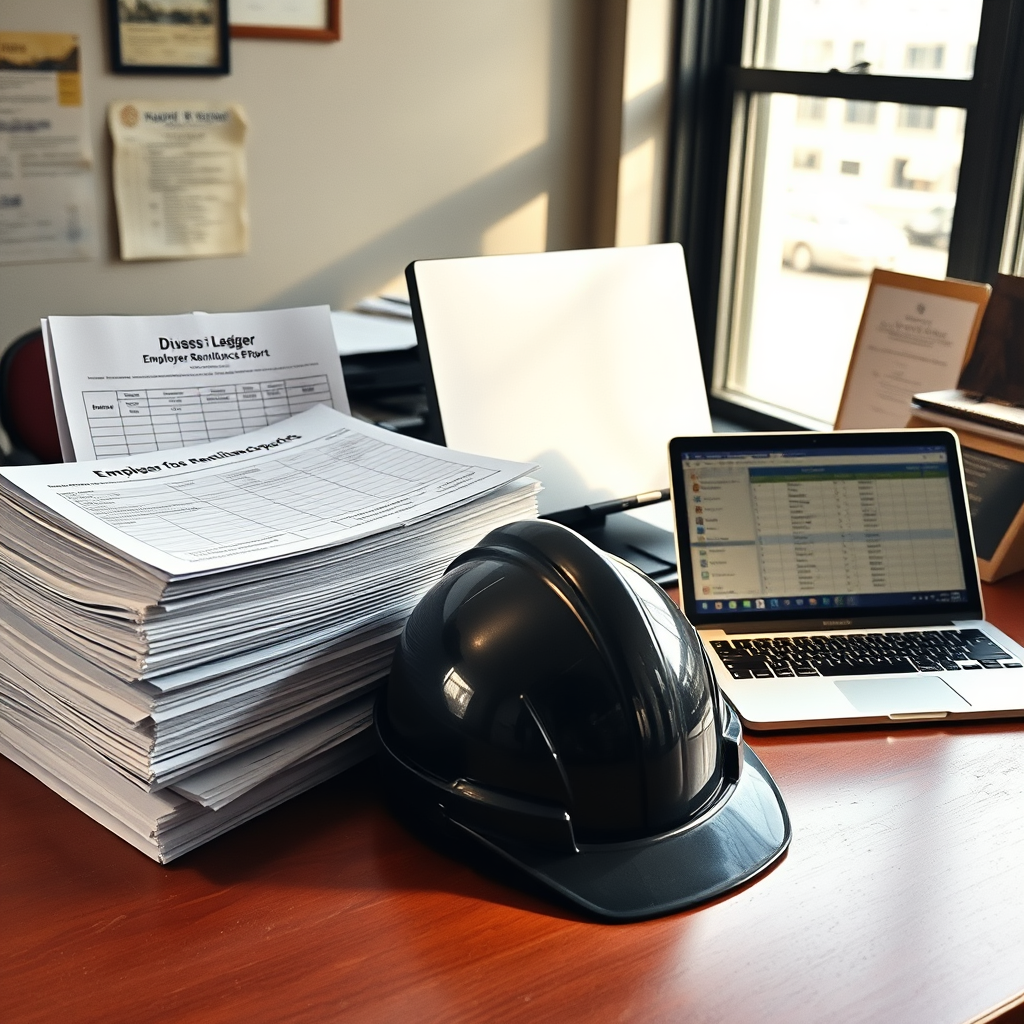
Most dues problems do not announce themselves. A remittance comes in a little light. A member works a week that never shows up on an employer's report. A name is spelled differently on one file than another, and the payment lands on the wrong record. None of that looks like trouble on the day it happens. Six months later it looks like a member with a gap in good standing and a hall that has to reconstruct what happened from paper.
Dues check-off is supposed to be the simple part of union administration: hours worked, dues deducted, money remitted, records updated. In practice it is a reconciliation problem spread across employer reports, dispatch records and member files. The locals that stay out of trouble are the ones that check the match often, not the ones that check it carefully once a year.
What Check-Off Actually Has to Line Up
For a dues record to be trustworthy, three things have to agree. First, what the hall shows the member worked — dispatch and check-in records. Second, what the employer reported and deducted. Third, what the local actually received and posted to that member's account.
When all three agree, dues are clean. When any two disagree, you have a question to answer. The point of a dues process is to surface those questions while the answer is still easy to find, rather than after the people who remember the week have moved on.
The Discrepancies That Show Up Most Often
Some patterns repeat across halls, regardless of size:
- Short remittances. The report covers fewer hours than dispatch shows for that period, so the deduction comes up light.
- Missing periods. A week or a pay cycle simply never arrives, often around holidays, system changes or a change in who handles remittance on the employer side.
- Misapplied payments. Money arrives but posts to the wrong member — usually a name match problem, a changed member number, or two members with similar names.
- Members with no deduction at all. Someone worked, the hall has them dispatched, and no deduction appears anywhere.
None of these are necessarily anyone's bad faith. Payroll systems change, clerks change, and dispatch slips get entered late. But they all end the same way if nobody looks: a member whose record does not reflect what they actually paid.
Why Catching It Early Matters to the Member
A dues gap is not just a bookkeeping issue. Standing in the hall can hinge on dues being current, and standing affects how a member sits on the list. If the gap was caused by a reporting error rather than by the member, the member should not carry it — but the only way to show that is to have records that demonstrate what was worked, what was deducted and what was received.
That is the argument for checking monthly instead of annually. A short payment caught in the same quarter is a phone call. The same short payment found two years later is an investigation.
A Practical Monthly Routine
Most halls can run a workable dues check in a single sitting each month if the underlying records are in order:
- Pull dispatch and check-in totals for the period by member.
- Pull the employer remittance reports for the same period.
- Compare member by member, not just in total — totals can match while individual records are wrong.
- List every member where hours and deductions do not reconcile, and note which side the gap is on.
- Post what is confirmed, hold what is in question, and open a follow-up on each discrepancy with a date and an owner.
- Check that last month's follow-ups actually closed.
That last step is the one most often skipped. A discrepancy list that nobody works through is just a longer list next month.
Where Software Helps — and Where It Doesn't
Software does not decide what a member owes or how your local handles a member who has fallen behind. Those are the local's calls, written into the local's rules. What software does well is the mechanical comparison: matching hours against reported deductions against posted payments, every period, without anybody keying the same numbers twice.
DockOps runs dues alongside dispatch and member records in one system, so the hours that drive a dues check come from the same records the dispatcher already used. When something does not reconcile, it shows up as a flag on the member's record with the periods and amounts behind it, so whoever makes the call has the history in front of them.
It is also set up around how your local already runs dues — your periods, your posting rules, your definitions of current and behind, your grace practices. Locals do not handle dues identically, and a system that forces one process on everyone just creates a second set of books kept on the side.
The Standard to Aim For
Ask one question about your dues records: if a member walked in today and asked why their account shows a gap in a given month, could you answer it from the system in a few minutes? If the answer is yes, your check-off process is doing its job. If it means pulling a binder and calling someone who was working that year, there is room to tighten it — and the sooner that happens, the smaller the backlog you have to clean up.
— The DockOps Team
See how DockOps would fit your local — book a demo at dockops.app/book.